

Extreme heat has long been something the railway has had to manage, but this summer has underlined just how quickly that challenge is changing.
Over the past few months, periods of exceptionally high temperatures and prolonged dry weather have tested infrastructure across the network, contributing to track movement, lineside fires, overheating equipment, and more. The response has included speed restrictions, timetable changes and major engineering interventions – all necessary measures, but also reminders that infrastructure designed around historical weather patterns is increasingly operating in a different climate.
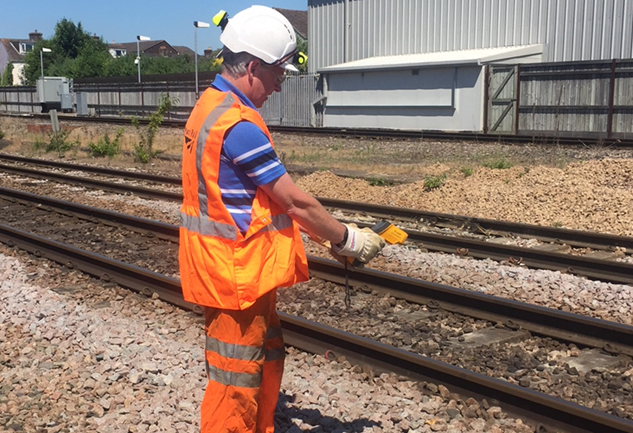
This issue’s feature on adapting infrastructure for a changing climate looks at how the railway is responding. From remote temperature monitoring and more resilient overhead line equipment to work addressing drought-affected ground conditions, the focus is increasingly shifting from reacting to problems to predicting and preventing them. It is a challenge that will require investment, innovation, and a willingness to rethink how railway assets are designed and maintained.
That theme of preparing for the future runs through much of this issue.
HS2 is creating employment pathways through recruitment hubs and specialist apprenticeships, demonstrating how major infrastructure projects can do more than build physical assets. They can also build skills that remain valuable long after construction is complete. We look at the project’s efforts to address skills shortages while creating opportunities for people entering the industry, as well as those changing careers later in life.
Young Rail Professionals takes a similar long-term view. Richard Harmer examines how employers, government, and industry organisations can work together to make railway careers more visible and accessible, while Caitlin Richardson argues that equality, diversity, and inclusion must move beyond policies and awareness campaigns to become part of everyday working life.
There is also a reminder that technology, for all its potential, cannot replace people. In our feature on AI and recruitment, Advance TRS argues that automation can improve efficiency, but human judgement, relationships, and sector knowledge remain essential when recruiting for safety-critical and highly regulated roles.
We meet Brook Randall, who became a London Underground driver at just 22 years after starting his career as a bus driver. His story is a reminder of the varied routes into railway careers and the importance of persistence when opportunities arise.
We also look at the future of bulk rail freight with Heavy Haul Rail, which is investing in its people and positioning itself to support the infrastructure, construction, and decarbonisation programmes that will shape Britain’s economy.
As always, safety remains at the heart of the railway. Colin Wheeler reviews a series of recent incidents and considers the opportunity to make an already safe railway safer still.
Finally, there is something rather more celebratory to look forward to. The RailStaff Awards 2026 are approaching and we name this year’s host. As nominations continue, it is time to recognise those whose commitment and determination keep the nation moving.
After all, it is the railway’s people who make it all work.